
Why I Trust (and Tinker With) a Multi-Chain Browser Wallet — A Practical Look at Rabby
Okay, so check this out—I've been using browser extension wallets for years. Wow! They started as clunky pop-ups and now feel like tiny banks in your toolbar. My instinct said something felt off about trusting any single interface, though. Initially I thought all wallets were about the same, but then I dug into workflows, approvals, and how transactions actually present themselves to users, and things changed.
Here's the thing. Browser wallets are the obvious UX for everyday DeFi interactions. Short trips to a DEX, a quick NFT bid, approving a contract for a one-off airdrop. But those same moments are where people make costly mistakes. Really? Yes. I kept seeing the same patterns—overbroad approvals, unclear gas estimates, and rushed clicks. On one hand, convenience is everything. On the other hand, security lapses are very very costly.
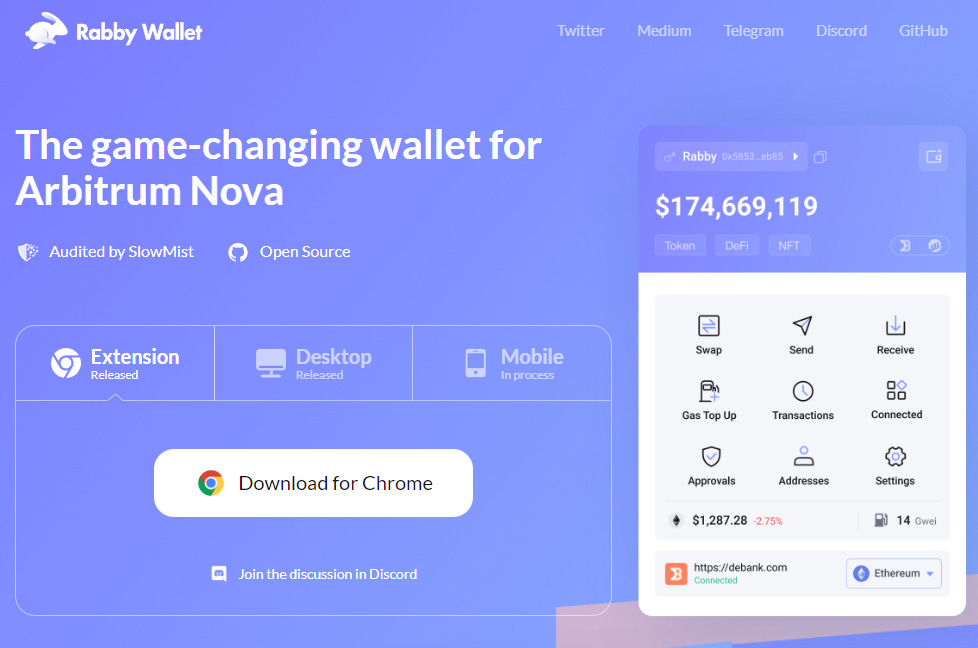
Rabby caught my attention because it frames those user moments differently. Hmm... it's subtle. At first glance it looks like the other extensions. But the differences are in the micro-interactions. For example, the way it surfaces approvals and transaction details felt clearer to me, and I liked that. Actually, wait—let me rephrase that: what sold me was not a flashy feature set but a flow that nudged me to slow down and verify. My gut said "this is safer", and then the details backed that up.
What "multi-chain" means in practice
Multi-chain isn't a buzzword here. It means switching networks without losing your mental model. Short sentence. Most of the time you want to hop from Ethereum to Polygon or to Arbitrum to chase a yield. That's normal. Rabby makes those jumps feel intentional rather than accidental. On a practical level, that means network switches are visible and permission dialogs show chain context, which helps. On the other hand, not all apps clearly state which chain they expect, so the wallet's clarity matters.
When I first started testing Rabby I did small things—send a token, approve a spender, switch to testnet. Initially I thought the approvals screen would be identical to others, but then I noticed the "allowance" cues and clearer summaries. That small change prevented me from blindly granting a massive allowance to a contract during a rushed review. On the second test day I almost made the same mistake again, and the interface stopped me. True story.
Why does that matter? Because DeFi is permission-driven. If you accidentally grant a contract blanket permission, you might be handing it your assets. And yeah, people do that. Somethin' about copy-paste tutorials and trusting unfamiliar dApps leads to trouble.
Security and UX—balancing the scales
I'm biased, but UX is the best security policy for end users. Wow! If the wallet makes safe choices easy, people will choose them. Rabby leans into that idea. It highlights which transactions change approvals, which ones move funds, and which are purely view-only. Those distinctions are small on paper but huge in practice.
On one hand, you can lock down everything and live in a gated sandbox. Though actually, that sucks for active traders. So the better approach is pragmatic: surface risk, require intentional consent, and make corrections simple. I like that Rabby tries to do that. My instinct said "okay, this will help my mom not get scammed"—and I'm not kidding. My mom would click too fast.
Also—hardware wallet pairing was painless for me. Pairing a Ledger felt straightforward. That combination (extension + cold key) is my default for anything I care about. I'm not 100% sure every edge case is covered, but the integrations I used worked smoothly.
One caveat: browser extensions inherit browser risks. Extensions can be targeted by phishing or compromised systems. So the single best practice remains: combine a secure browser, a hardware wallet when possible, and conservative approval habits. Simple, practical, and effective.
DeFi features I actually use
Short list. I like token management that doesn't force me to add custom tokens with obscure addresses. I use account labeling a lot—call one "trading" and another "savings." Weirdly human, but helpful. I also appreciate transaction history that shows the dApp origin clearly, which helps when you're auditing your past approvals. Seriously?
One more thing I appreciate: the wallet's approach to gas and speed. It doesn't push you to overpay. It shows reasonable estimates and options. For me that reduces anxiety. On high-fee days, little nudges about delays and a chance to cancel or speed up a tx are very welcome. I'm not trying to be dramatic, but managing gas is part of the daily grind.
Okay, so check this out—if you're swapping across chains or bridging assets, a wallet that keeps your mental model consistent saves time and mistakes. Rabby fits into that workflow for me. It doesn't do the bridging for you, but it plays nice with popular bridges and DEXs.
One weird nitpick that bugs me: some notifications feel chatty. I could live without repeated confirmations for trivial things. But that's personal. Others might like the reminders.
Getting started (a short playbook)
First: seed phrase safety. Wow! Never, ever paste your seed into a website. Seriously. Back it up offline. Write it down. Store it in a safe. If you can, use a hardware wallet and keep the seed offline. My advice is blunt but practical.
Second: use multiple accounts. Keep a "hot" account for small trades and a "cold" account for holdings. This reduces blast radius if something goes wrong. It’s basic compartmentalization, and it works.
Third: review approvals before you sign. When a dApp asks for an allowance, question the scope. A lot of hacks come from blanket approvals. Also, consider setting allowances to precise amounts rather than infinite. It's a tiny extra step that pays off.
Fourth: if you're new, try small transactions first. Send a cent or a low-dollar token to a contract address to observe the behavior. This is my favorite humble-brag tactic—low cost, high info.
Want to try Rabby yourself? I embedded a direct place to get it—check out rabby and experiment in a controlled way. Don't rush. Play in testnets if you can. (Oh, and by the way... keep your expectations realistic.)
FAQ
Is Rabby safe for everyday DeFi?
Short answer: yes for casual use, but only if you follow basic security hygiene. Long answer: it improves clarity around approvals and transactions which reduces common user errors, but browser extension risks still apply. Pair it with a hardware wallet for higher-value activity.
Which chains can I use?
Rabby supports multiple popular EVM-compatible chains. That covers most common DeFi and NFT activity. If you chase obscure chains, double-check compatibility before moving funds. My instinct says stick to well-known networks until you're comfortable.
How do I migrate from another wallet?
Export your seed or connect your hardware key. Then import or pair carefully and verify addresses. Initially I thought this would be a mess, but the process is usually straightforward—though always test with a tiny transfer first. And never share your seed with anyone.