
What Should You Know About an Alcohol Induced Panic Attack?
If you experience alcohol-related panic attacks, it is beneficial to stop drinking or reduce alcohol consumption to a minimum. Additionally , it is helpful to slow down the rate at which you drink. A healthcare provider can help you explore coping strategies and find a treatment plan that fits your needs.
Your body, however, is always looking to establish equilibrium, or balance. A heavy influx of alcohol can lead to your body blocking its own GABA receptors in an attempt to re-establish this equilibrium. With fewer GABA receptors available, your body can naturally absorb less GABA, which inhibits your ability to naturally calm down and can lead to panic attacks. It does so by binding to GABA receptors in the brain—which helps your body to relax and your mind to feel calm. Alcohol is believed to mimic this effect by also binding to GABA receptors. That’s why drinking can help you feel relaxed in the short-term, especially in social situations.
How Alcohol Interacts with Anxiety
- Dr. Lin has held an academic appointment at UTHealth, and he has spent his professional career supervising and teaching medical students and psychiatry residents.
- However, unlike a heart attack, a panic attack does not cause blockage to the coronary arteries.
- She adds that alcohol can cause sleep disturbances, which is another reason it may contribute to anxiety symptoms.
- As alcohol leaves the body, anxiety symptoms often return—frequently stronger than before.
That is why all of the content that we publish is always reviewed and analyzed by professionals in the psychology and healthcare fields. With the right support and strategies, you can break free from this cycle and find better ways to manage your anxiety. Alcohol’s diuretic effect causes dehydration, which can heighten feelings of anxiety and nervousness. Alcohol often leads to poor food choices, creating physical discomfort that can mimic anxiety symptoms. If you do not get medical help, panic disorder can escalate and become very difficult to cope https://steamrobovn.com/2022/07/14/how-to-cure-a-hangover-2/ with.
- People experiencing a panic attack often have difficulty breathing.
- Relaxation techniques, such as practicing mindfulness, can help reduce panic, Oeswein says.
- Panic attacks can occur as part of panic disorder or other anxiety disorders.
Anxiety disorders are mental health conditions marked by ongoing feelings of fear, worry, or unease that are difficult to control. These conditions can interfere with daily responsibilities, relationships, and overall quality of life. While anxiety is a normal response to stress, anxiety disorders involve persistent symptoms that don’t fade once the stressful situation passes. This relationship makes alcohol a common but counterproductive coping mechanism for anxiety. Alcohol induced panic attacks occur after consuming alcohol, and can happen while drinking or shortly thereafter. Studies on alcoholic patients have found a higher than expected prevalence of panic disorder, and suggest a positive correlation between the level of alcohol consumption and severity of anxiety.
The Psychological Processes that lead to Alcohol Induced Apprehension.
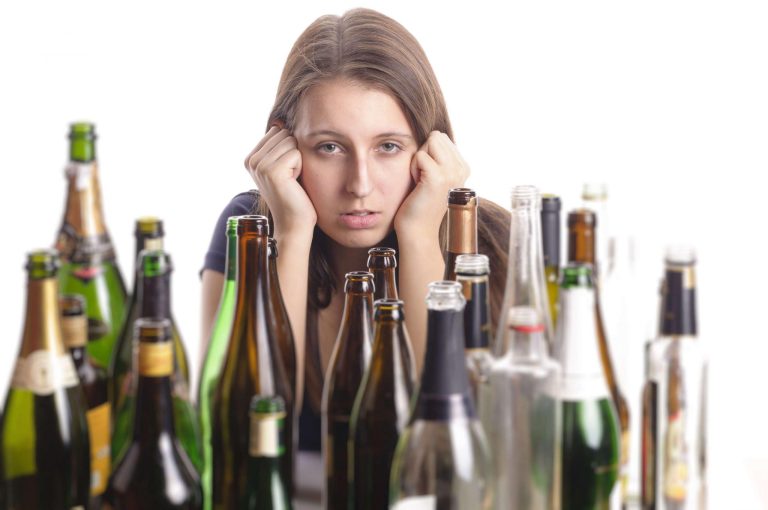
The sudden release of adrenaline and cortisol in the body can lead to uncomfortable sensations of having difficulty taking in a full breath. Although alcohol can make us more initially socially receptive and connected, too much alcohol can have the opposite effect. It can interfere with our ability to articulate our words, to receive social cues and to make meaningful conversations. If you consume alcohol before or during these episodes, the symptoms can become more exacerbated.
Symptoms of Panic Attacks Induced by Alcohol
The negative effects of alcohol on anxiety can be long-lasting if drinking continues regularly. Chronic use alters brain pathways involved in mood regulation, often making anxiety more severe and persistent. Alcohol initially enhances GABA, a neurotransmitter that promotes relaxation, Sober living house which can temporarily reduce anxiety. However, this calming effect is short-lived and often followed by a rebound increase in anxiety once the alcohol is processed. Because withdrawal from alcohol can be dangerous—sometimes life-threatening—medical supervision is crucial during detoxification phases. Likewise, therapy tailored specifically for dual diagnosis ensures that treatment addresses all underlying causes rather than only surface symptoms.
Generalized anxiety disorder (GAD) is a mental health condition does alcohol cause anxiety where you feel excessive worry about everyday situations. It interferes with your daily activities at home, work or school. Yes, alcohol reduces REM sleep, which is essential for emotional processing. Poor REM sleep caused by drinking can increase stress sensitivity and worsen anxiety symptoms over time. People with pre-existing anxiety disorders are particularly vulnerable to developing problematic drinking habits as they seek relief from distressing symptoms. Unfortunately, this self-medication approach rarely works out well.
Unlike opioids or stimulants, alcohol withdrawal can be life-threatening due to complications like seizures or delirium tremens (DTs), which occur in about 5% of cases. Anxiety during this process is not merely a psychological hurdle but a symptom intertwined with physical risks. This duality underscores the importance of treating withdrawal holistically, addressing both the mind and body.
Correlation Between Alcohol and Anxiety
They are often the ones everyone depends on - the dependable child in their family, the reliable partner, the dedicated... Tingling and numbness can occur in the peripheral limbs, most notably in the hands and feet. In rare cases, these sensations can cause difficulty with gait, clumsiness and fine motor difficulties. Due to poor circulation, extremities might feel cold and clammy.
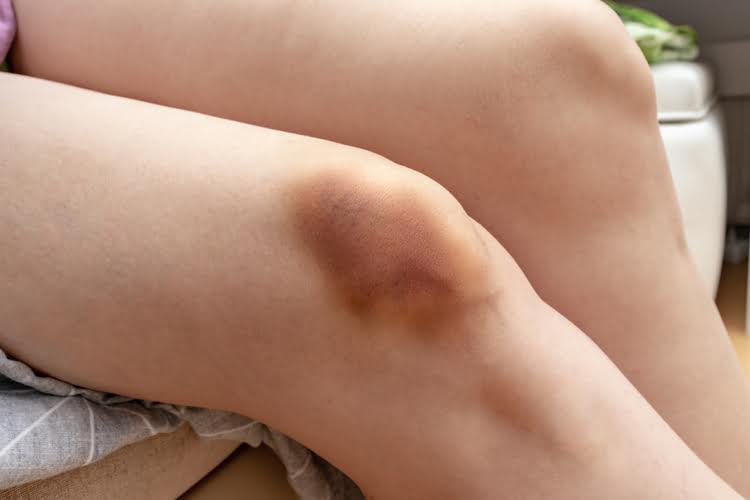
Fortunately, there are steps you can take to overcome and prevent this scenario. Let’s explore the key information you should know about dealing with an alcohol-induced panic attack. While alcohol can make your panic attacks worse, alcohol itself doesn't cause panic attacks on its own.
Alcohol Induced Anxiety vs General Anxiety

The interplay between these chemicals explains why people who drink regularly often find their anxiety symptoms worsen rather than improve. When you consume alcohol, it acts on the central nervous system by enhancing the effect of gamma-aminobutyric acid (GABA), a neurotransmitter that promotes relaxation and reduces brain activity. This is why a glass of wine or beer can make you feel calm or less anxious at first. However, this calming effect is short-lived and comes with a catch. Although there is no absolute way to prevent mental health disorders, certain actions can help slow their progression, reduce the likelihood of onset, or treat them early. Nocturnal panic can feel illogical because sleep is supposed to be restorative.
What Causes Panic Attacks & Panic Disorder?
Repeated alcohol use rewires brain chemistry leading to persistent anxiety symptoms. People who rely on alcohol as a coping tool often experience worsening panic attacks, generalized anxiety disorder (GAD), or social anxiety disorder over time. Beta-blockers can help control some of the physical symptoms of panic disorder, such as rapid heart rate, sweating, and tremors.